Author: Claire

  • Nana’s Original (Manakeesh bil Zaatar)

    nana's original

    Despite being half-Lebanese, it wasn’t until the summer of 2009 that I was able to spend an extended period of time in Lebanon. I was studying at the American University of Beirut, taking two classes (one, a fascinating abnormal psychology course, and the other, “the art of honeymaking,” a class on beekeeping – I’ll share some great stories from this class another time, rest assured) and spending every other weekend visiting my grandparents (who I’d only met once before) in a small town in the north of Lebanon. Needless to say, it was a scary and amazing experience for me, not to mention a formative one.

    It’s not just culture that’s tied up with food; I find that food is one of the best ways to stir up memories, good and bad. Every year, my dad visits his parents in Lebanon and brings back manakeesh bil zaatar, a Lebanese flatbread brushed with the fragrant spice mix, made by my grandmother. That summer, I was able to enjoy it fresh, while sitting besides my grandparents.

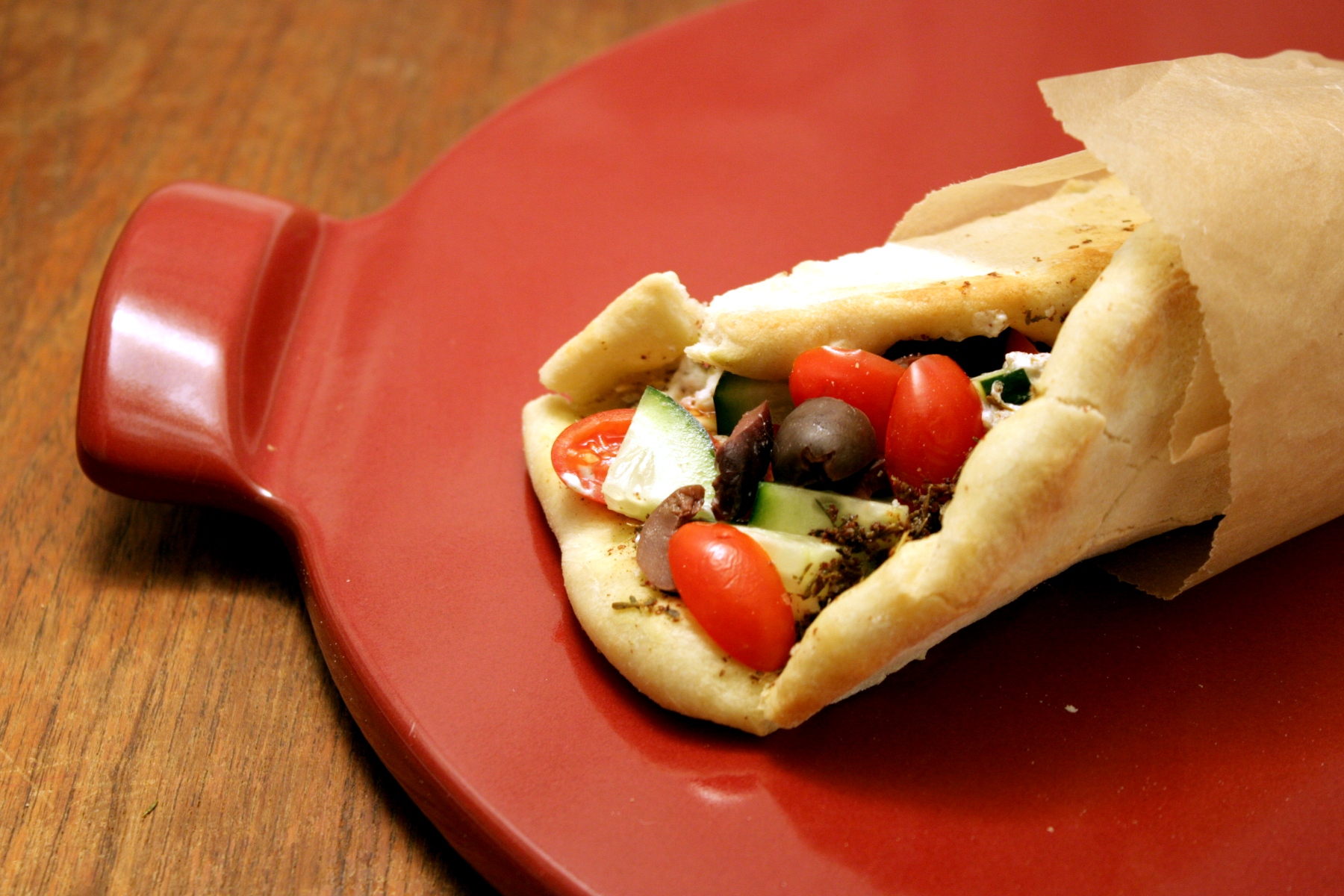
    As soon as I spied the menu for a recently opened restaurant in Georgetown called Muncheez Mania, I knew they were serving up Lebanese street food (even if they don’t advertise it as such). And I was pleasantly surprised to find that their “Nana’s Original” wrap – essentially manakeesh bil zaatar with labne (a tangy spreadable cheese which I’ve included a bonus recipe for in this post), cucumber, tomato, mint, and olives – immediately brought back memories of my time in Lebanon (although, of course, it didn’t live up to what my grandmother makes). Here’s my personal rendition of the sandwich, also not as good as my grandmother’s, but it’ll have to do.
    (more…)

    Related Posts:

  • Roasted Cauliflower and Chickpea Salad

    cauliflower and chickpea salad

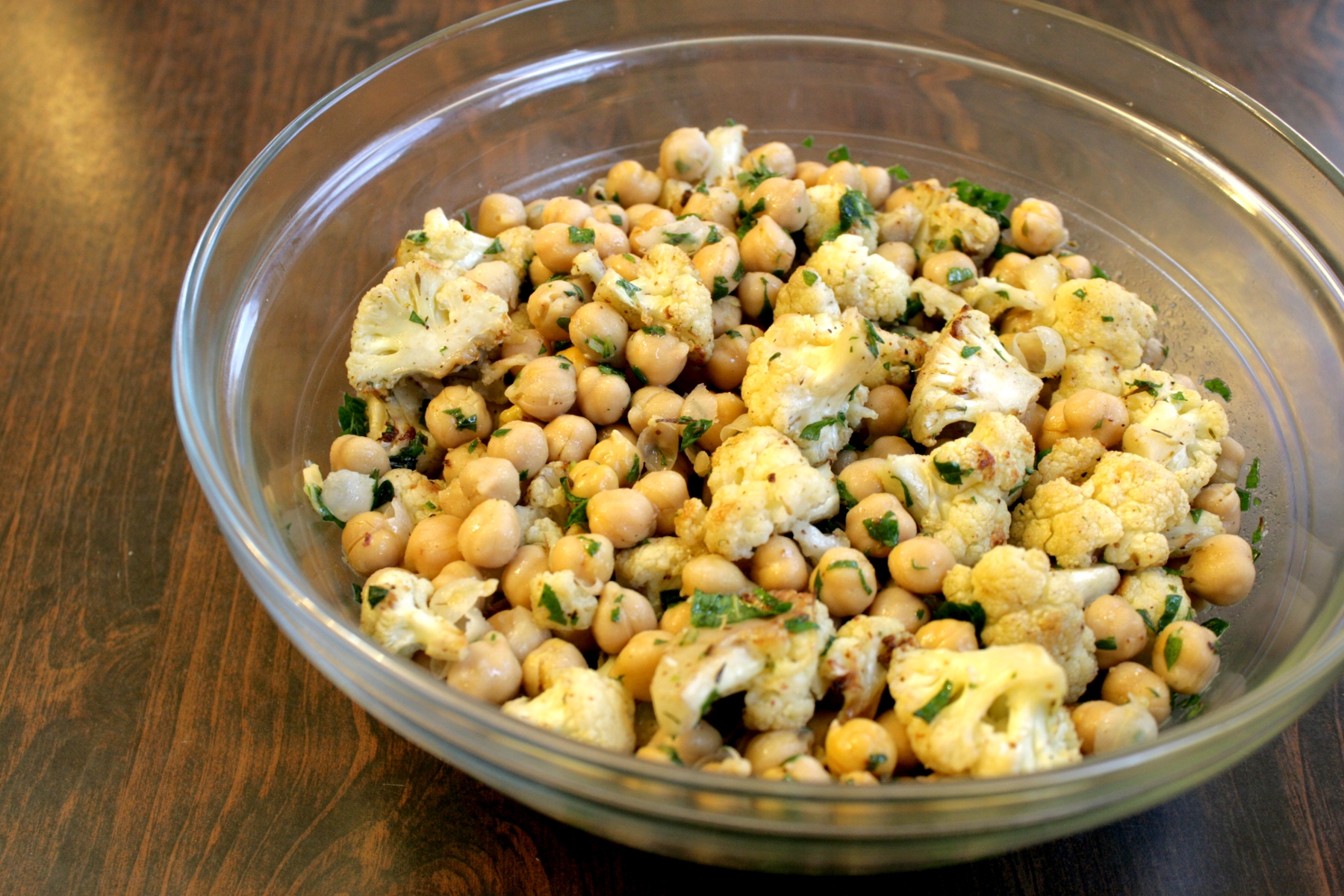
    I’m beginning to realize how much roasting cauliflower adds to its flavor. The caramelized edges of roasted cauliflower here help to elevate this simple combination with chickpeas, fresh mint, and homemade zaatar. The next time I make this, I think I might mix in a little tahini, or maybe some yogurt, for extra creaminess. This salad makes a great side dish or light lunch and can be served warm, at room temperature, or cold, depending on what you’re pairing it with, the weather, and your mood.

    (more…)

    Related Posts:

  • Homemade Zaatar

    homemade zaatar

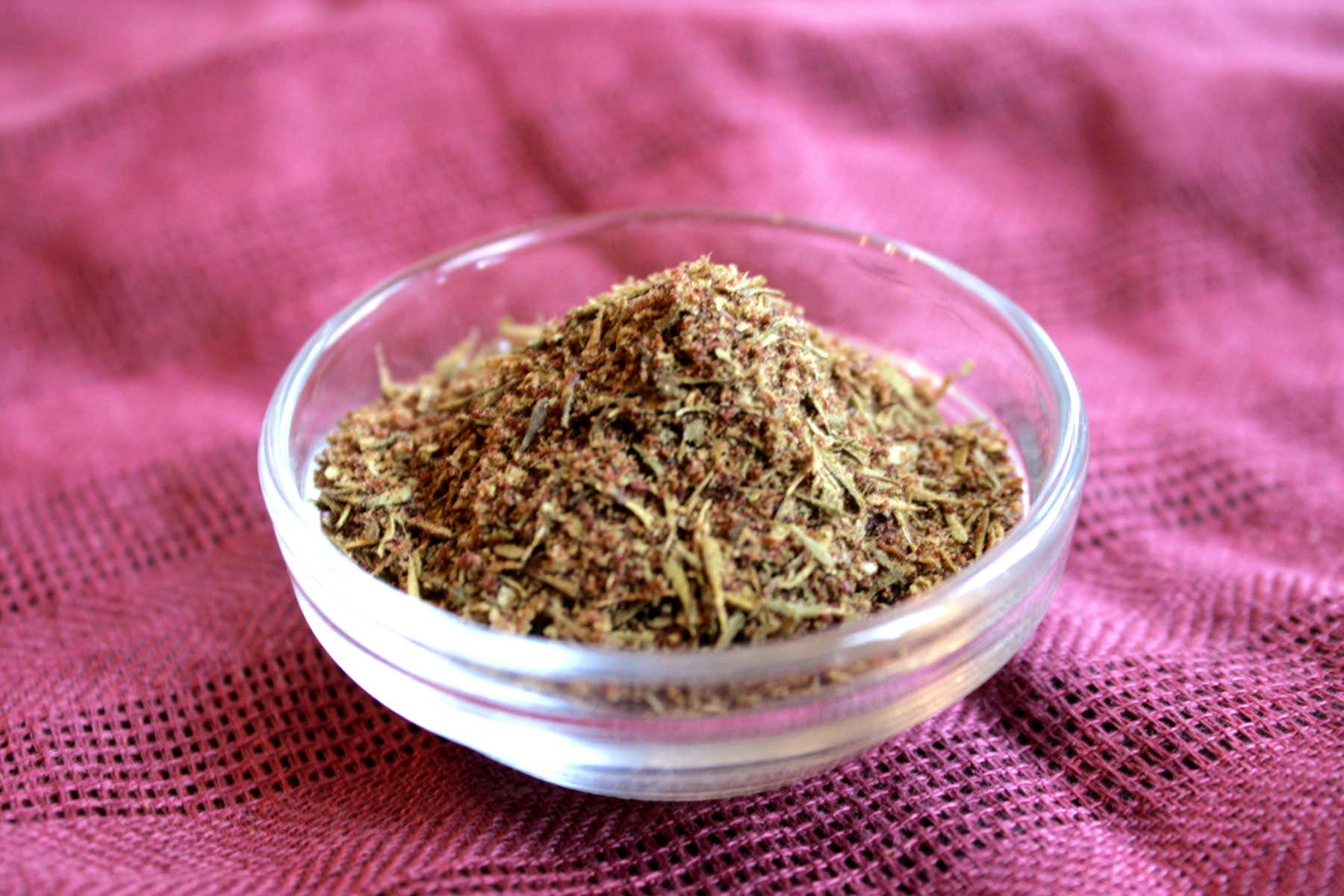
    Food has always resonated with me, in part because of its amazing cultural weight. Growing up in America with a Lebanese father and a Polish mother, I’ve long felt most connected to my heritage through food. Eating pizza and hamburgers makes me feel like a true American, while pierogies and kielbasa are standard inclusions for special occasions, and my dad almost always manages to sneak hummus, tabouleh, fattoush, or kibbe into our meals. And DC is a truly global city so I’ve been peering into other cultures through their food for my whole life. So I feel excited to post this recipe for zaatar, a simple Lebanese spice mix, and share a little bit of my culture with you. This is the most basic version of zaatar, but some variations include additional spices such as oregano, marjoram, and savory, so feel free to play around a bit. I’ll be posting two great recipes using this mix on Wednesday and Friday, but it’s incredibly versatile and easy to use. You can mix it with olive oil and/or yogurt for a simple dip, sprinkle it on vegetables before roasting, use it to flavor eggs, or add it to soups and stews.

    (more…)

    Related Posts:

  • Mediterranean Tilapia

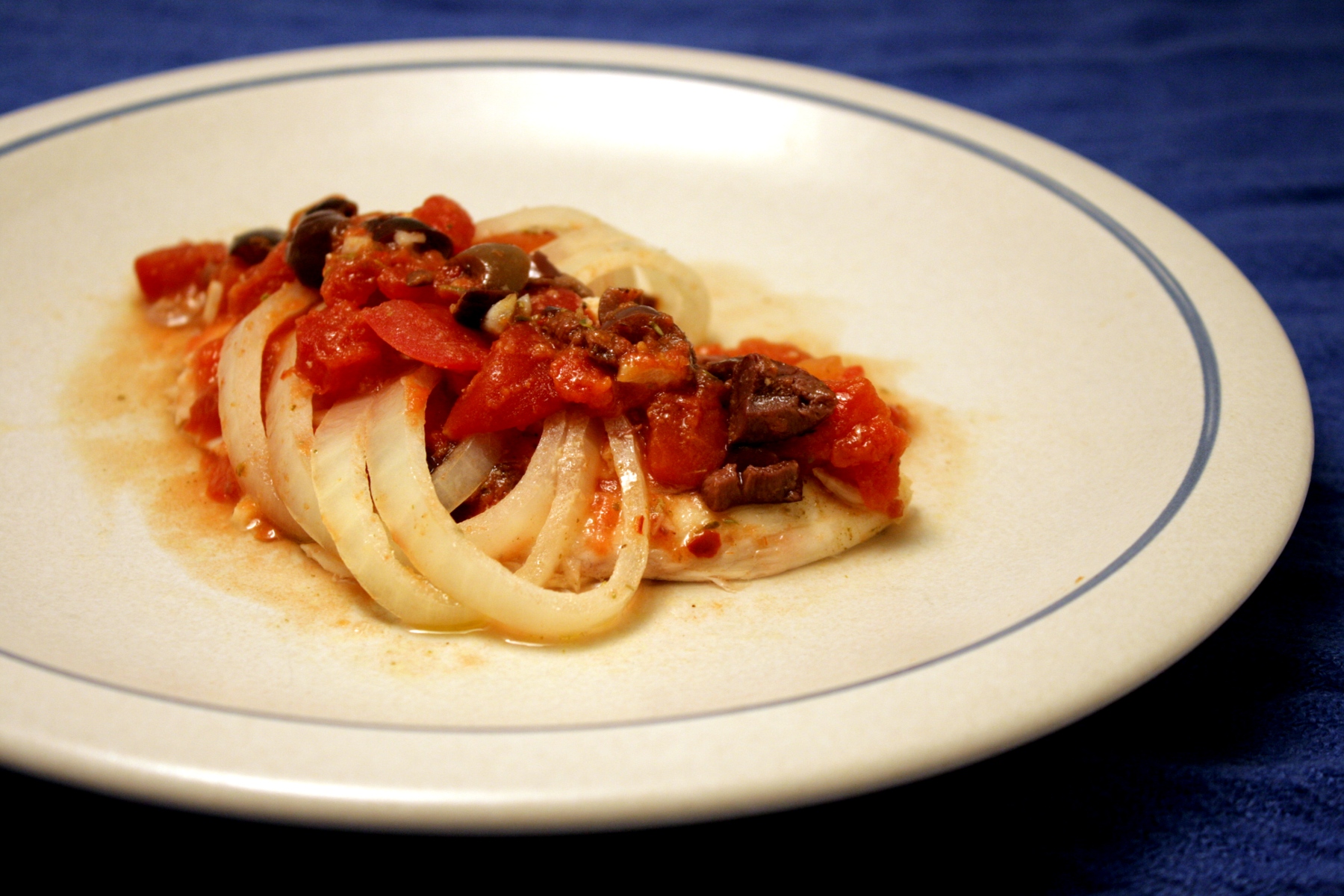
    mediterranean tilapia

    I recently decided that I don’t cook enough seafood. I love all kinds of seafood, and it is usually surprisingly simple to prepare. This Mediterranean tilapia is a prime example; with only a few ingredients (most of which I nearly always have on hand) and less than an hour, I can have a delicious dinner in front of me with the classic flavors of herbs de provence playing very nicely with tomatoes, olives, and white wine. This dish can be a light meal in and of itself or you can serve it with a few sides for something a little heartier. And I love dishes with easy drink pairings; since only 1/2 cup of wine is used in the dish, the remainder of the bottle is perfect for completing the feel of a relaxing dinner on the Mediterranean coast (even when I’m actually stuck in DC in the middle of winter).

    (more…)

    Related Posts:

  • Roasted Leeks

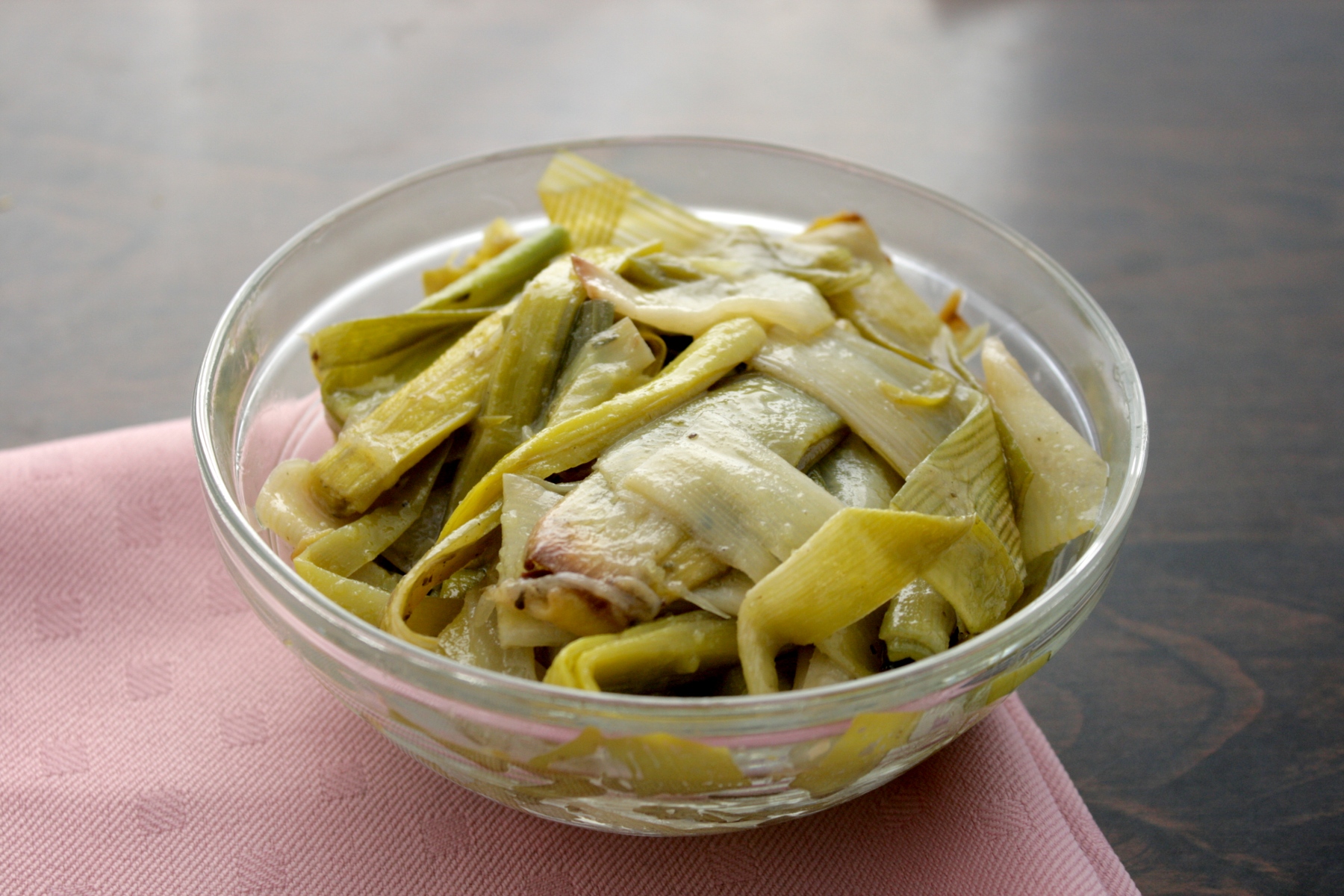
    roasted leeks

    I’m always looking for lazy side dishes, and these roasted leeks are absolutely perfect. They take very little work, and you can concentrate on the main course while they’re roasting in the oven for about half an hour. The result is tender and slightly caramelized, with a sophisticated flavor from the aromatic herbs de provence. Of course, you can use different spices to switch up this dish and make it the perfect side to whatever your main course may be.

    (more…)

    Related Posts:

  • Herbs de Provence

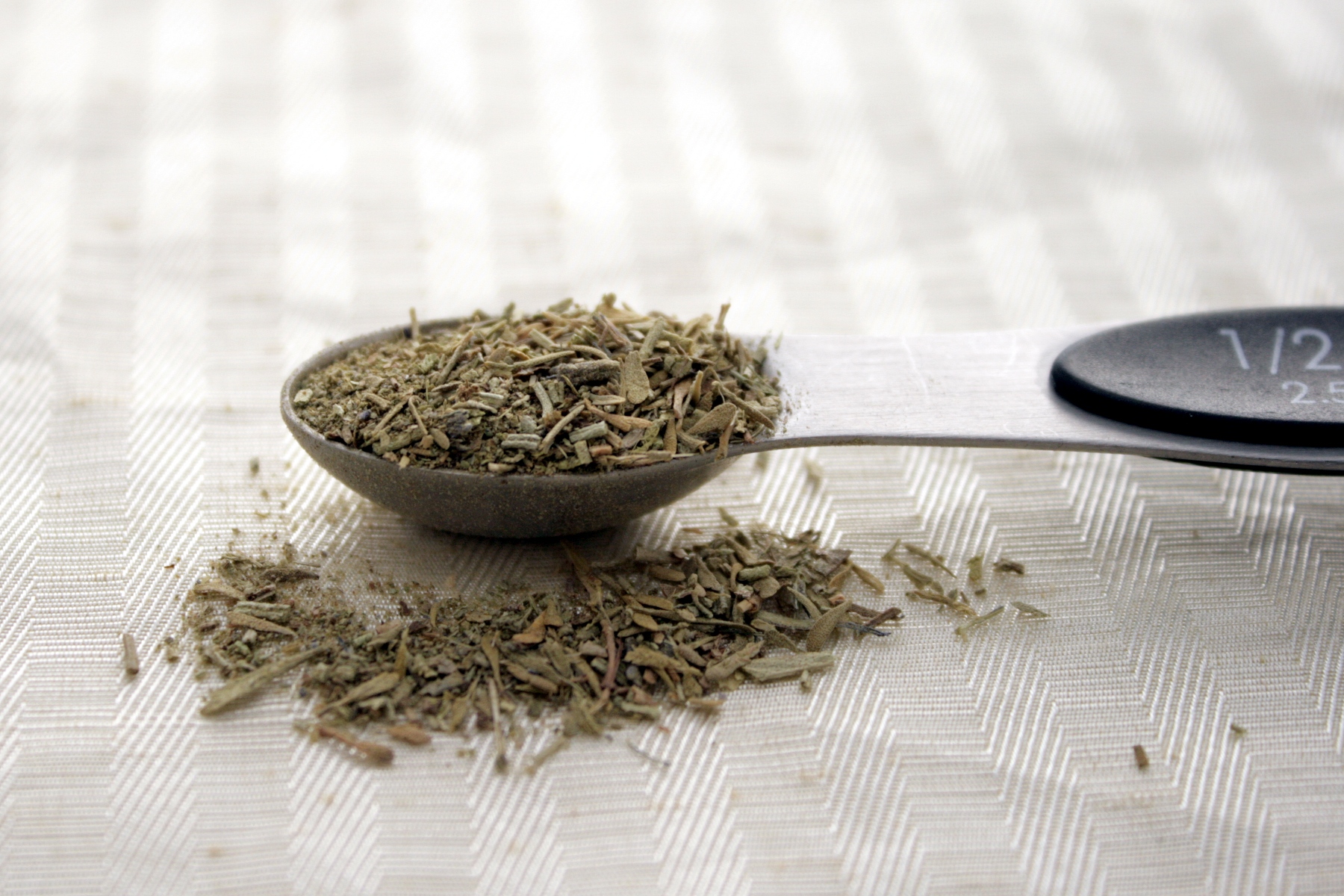
    herbs de provence

    Herbs de provence is one of my favorite spice mixes to have on hand. This traditional French mixture is an easy way to flavor vegetable stews, eggs, and meats. The various brands of herbs de provence don’t always use the same herbs in the same amounts; you’ll often see fennel and basil, neither of which I’ve included here, instead of, or in addition to, the herbs I’ve chosen to use (thyme, rosemary, savory, marjoram, and lavender), so consider this recipe more of a template. Once you’ve put together your perfect mix, you’ll find yourself reaching for it time and time again.

    (more…)

    Related Posts:

  • Char Siu

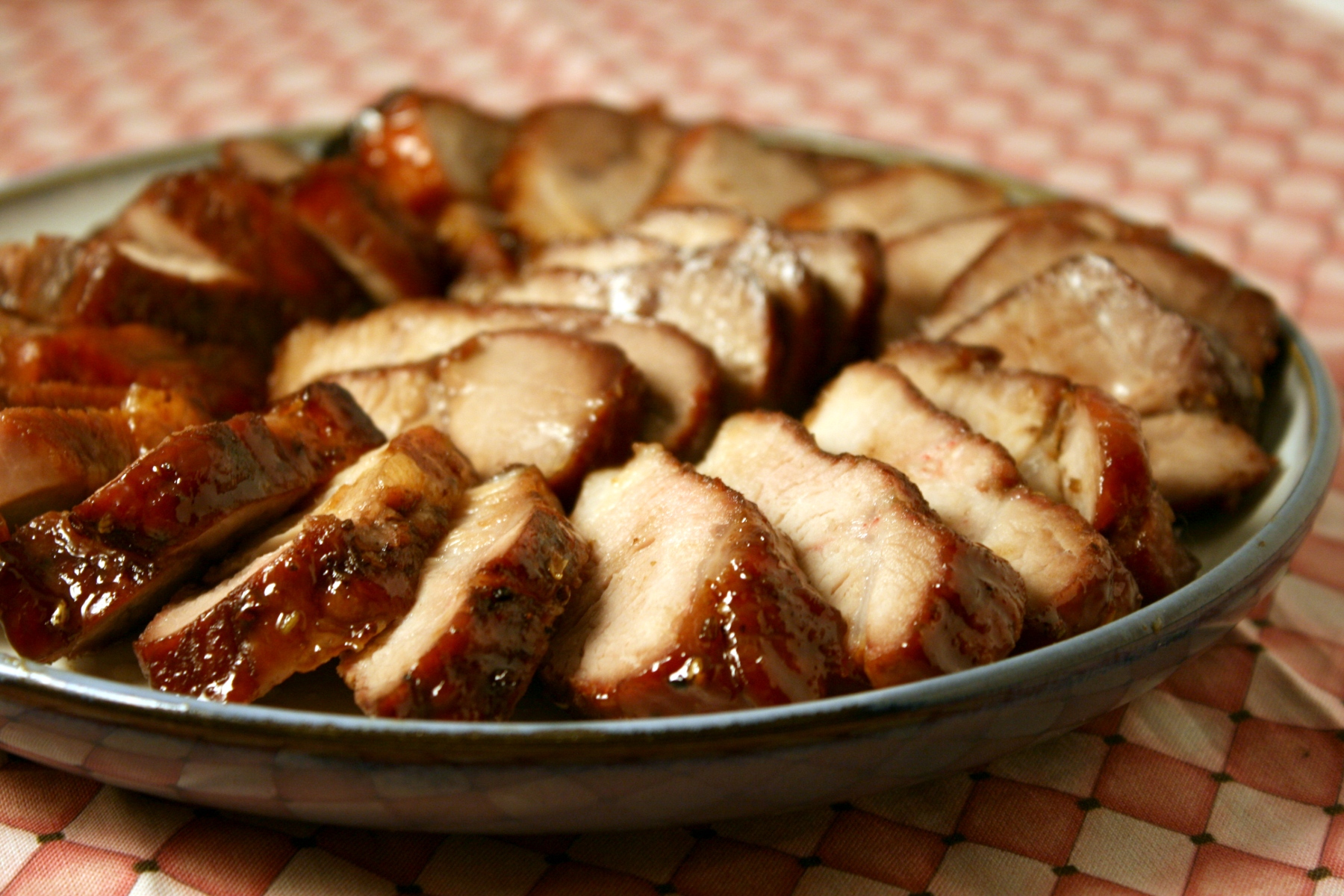
    char siu

    Char siu, also known as Chinese barbecued pork, is used in a variety of applications; you’ll find this delicious meat, with its often bright red exterior, on top of ramen, diced in fried rice, as a filling in char siu bao (steamed pork buns), and even served plain, arranged beautifully on a plate. The characteristic red crust is best achieved with the addition of food coloring, but I opted to go without it and still had a gorgeous deep red hue on the outside. I chose to make this using pork shoulder, but for something more decadent, you can use pork belly.

    (more…)

    Related Posts:

  • Chinese Broccoli with Five-Spice Sauce

    chinese broccoli

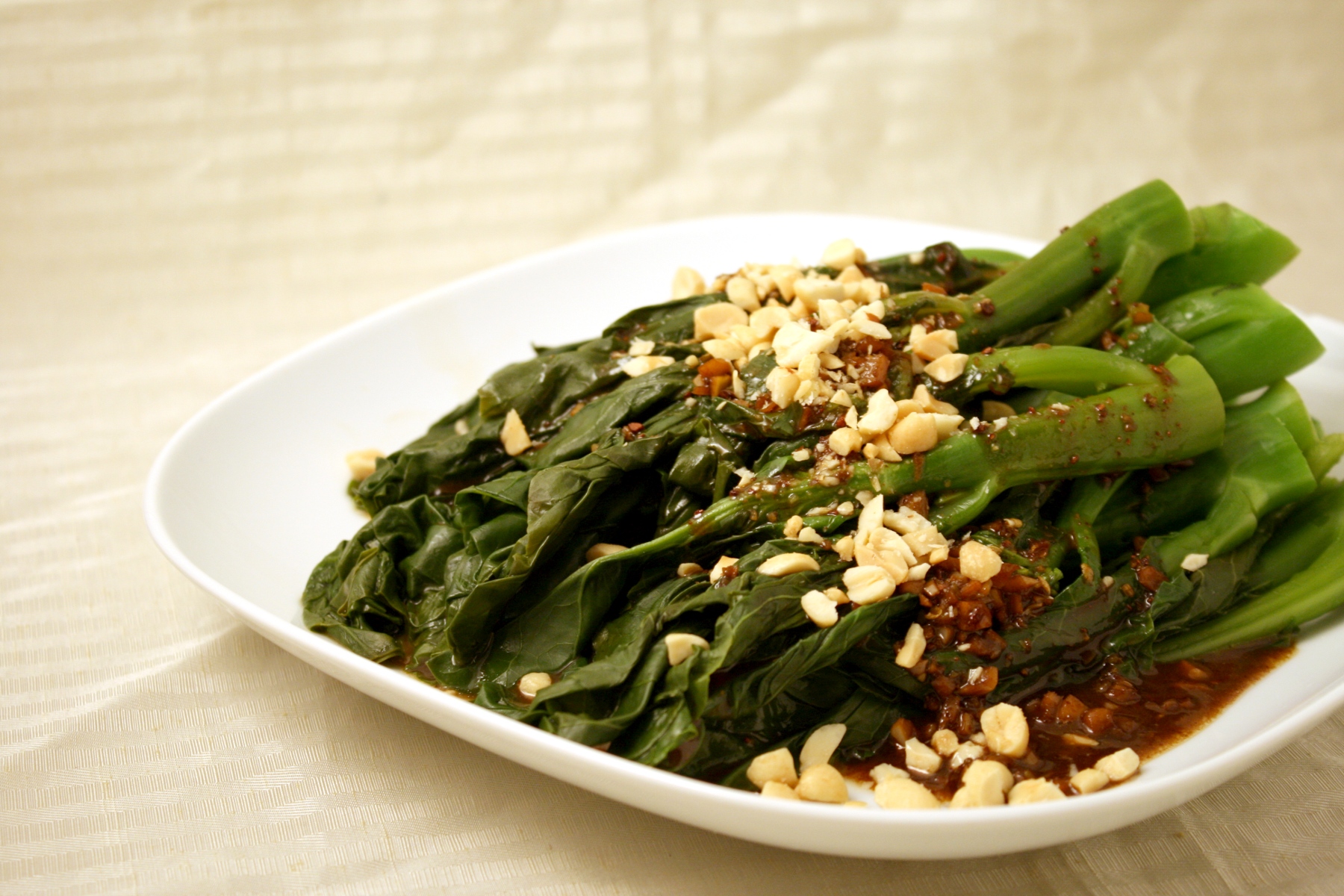
    Although I’m pretty sure this dish isn’t authentic (due to the inclusion of butter), it tastes exactly like what I’ve eaten at dim sum restaurants before and is really simple (and fast) to make. The sauce, given a kick from garlic, ginger, and five-spice, is a great match to Chinese broccoli, but should work wonderfully on other vegetables as well. It’s not often that I find something that only takes about 10 minutes to make and still tastes delicious, so I know I’ll be coming back to this recipe.

    (more…)

    Related Posts:

  • Chinese Five-Spice

    chinese five-spice

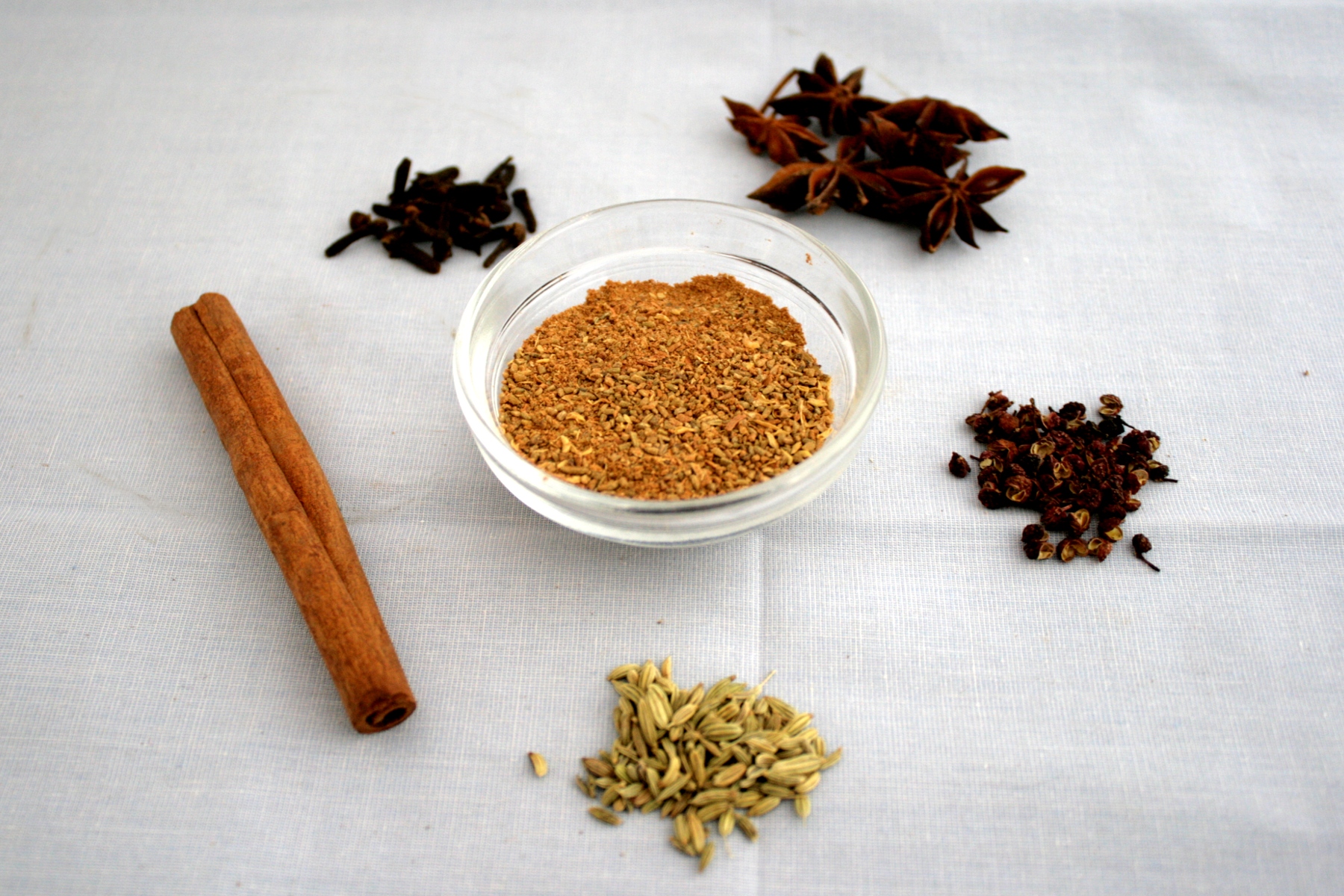
    Chinese five-spice is a strange beast; many of the flavors here are usually associated with sweet applications, but the resulting spice mix is traditionally used in savory dishes to amazing result. The five spices referenced in the name are usually star anise, fennel, cinnamon, Sichuan peppercorns, and cloves, but some variants include ginger root, anise seed, cumin, and white pepper. I stick with the traditional here, but the amounts used are flexible and can be adjusted to your tastes. This is a great mix to have on hand for adding to stir fried vegetables, upping the flavor in soups, or including in dry rubs for chicken, pork, or duck. And, although desserts aren’t the typical use, I’ve even come across recipes for five-spice cookies and cakes, and I think the spicy licorice-like flavor would be well-suited to sweets. On Wednesday and Friday, I’ll be posting two of my favorite recipes using this unique spice mix.

    (more…)

    Related Posts:

  • Aged Eggnog

    aged eggnog

    I revel in the unusual when it comes to cooking. The dishes that most people find too strange or disgusting are typically the ones I’m most interested in. So when I heard about eggnog that was aged for up to one year, I knew I had to try my hand at making it. The alcohol content here (about 20%) is what keeps the egg, cream, and milk from spoiling, and the aging process improves the flavor as the proteins in the egg and dairy denature and the different components combine. If you’re scared of the aging, this eggnog still tastes significantly better than store-bought varieties immediately after making. I’ve only tasted this at the three week mark thus far, but the flavors were already mellowed and noticeably different. If you’re not scared of the aging, make this now and you’ll be glad you did when the next holiday season rolls around!

    (more…)

    Related Posts: