Tag: lebanese

  • Fasoulia (Middle-Eastern Spiced Kidney Beans)

    fasoulia

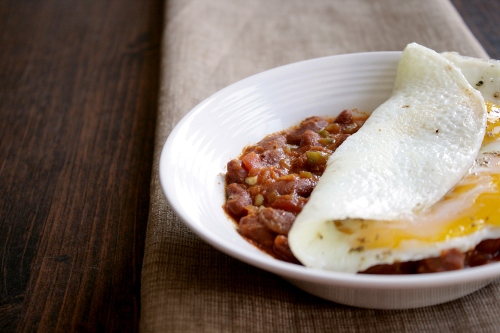
    Fasoulia is simply Arabic for beans. Many different dishes go by this name, sometimes there’s meat included, sometimes a splash of pomegranate molasses. But the base of beans and tomatoes with Middle-Eastern spices stays consistent. I used kidney beans here, but other beans (including green beans) would also work, and my dad says black-eyed peas are what’s usually used in Lebanon. Traditionally, this dish would be cooked with baharat, a Middle-Eastern spice mix, but I didn’t feel up to making a new spice mix when cooking this, so after looking at the ingredients typically included in baharat (paprika, black pepper, cumin, coriander, cinnamon, cloves, nutmeg, and cardamom) settled on using a mixture of curry powder and paprika to come close to the same flavor. This combination worked very well, although if you have baharat, that would certainly be best.

    Fasoulia is usually served with breakfast, and I found it tasted amazing topped with a fried egg (or mixed with scrambled eggs) and sprinkled with a little zaatar. But this would also work by itself as a stew for a hearty lunch or dinner. I love how perfectly simple this recipe is while still managing to pack a lot of flavor; it’s really a great reminder how important spices are to a dish, so now is a good time to make sure you’re using fresh spices (ground spices typically don’t stay good for much longer than six months, and you can easily gauge how much flavor is left in your spices by taking a smell – you want a fairly strong aroma).
    (more…)

    Related Posts:

  • Nana’s Original (Manakeesh bil Zaatar)

    nana's original

    Despite being half-Lebanese, it wasn’t until the summer of 2009 that I was able to spend an extended period of time in Lebanon. I was studying at the American University of Beirut, taking two classes (one, a fascinating abnormal psychology course, and the other, “the art of honeymaking,” a class on beekeeping – I’ll share some great stories from this class another time, rest assured) and spending every other weekend visiting my grandparents (who I’d only met once before) in a small town in the north of Lebanon. Needless to say, it was a scary and amazing experience for me, not to mention a formative one.

    It’s not just culture that’s tied up with food; I find that food is one of the best ways to stir up memories, good and bad. Every year, my dad visits his parents in Lebanon and brings back manakeesh bil zaatar, a Lebanese flatbread brushed with the fragrant spice mix, made by my grandmother. That summer, I was able to enjoy it fresh, while sitting besides my grandparents.

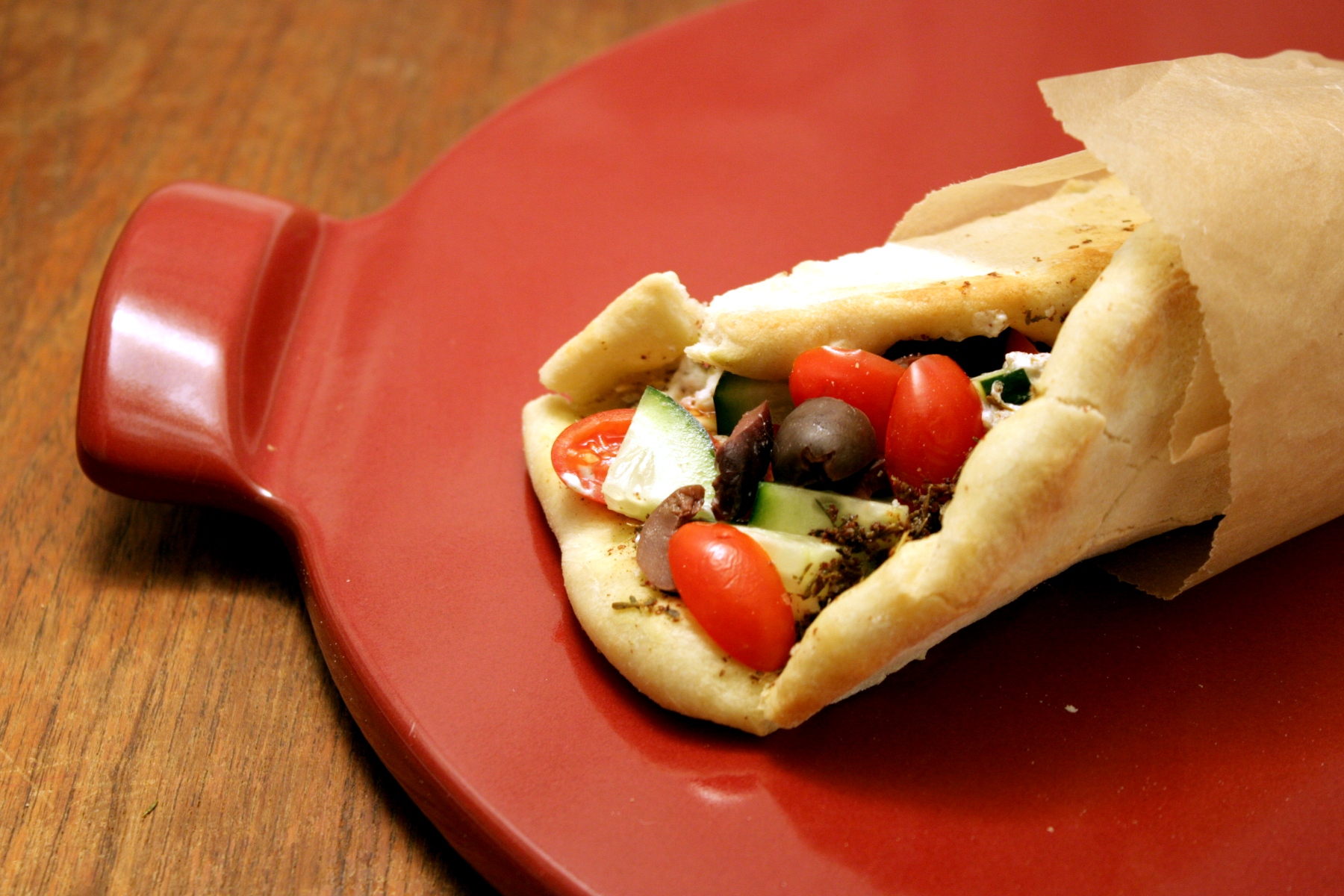
    As soon as I spied the menu for a recently opened restaurant in Georgetown called Muncheez Mania, I knew they were serving up Lebanese street food (even if they don’t advertise it as such). And I was pleasantly surprised to find that their “Nana’s Original” wrap – essentially manakeesh bil zaatar with labne (a tangy spreadable cheese which I’ve included a bonus recipe for in this post), cucumber, tomato, mint, and olives – immediately brought back memories of my time in Lebanon (although, of course, it didn’t live up to what my grandmother makes). Here’s my personal rendition of the sandwich, also not as good as my grandmother’s, but it’ll have to do.

    (more…)

    Related Posts:

  • Homemade Zaatar

    homemade zaatar

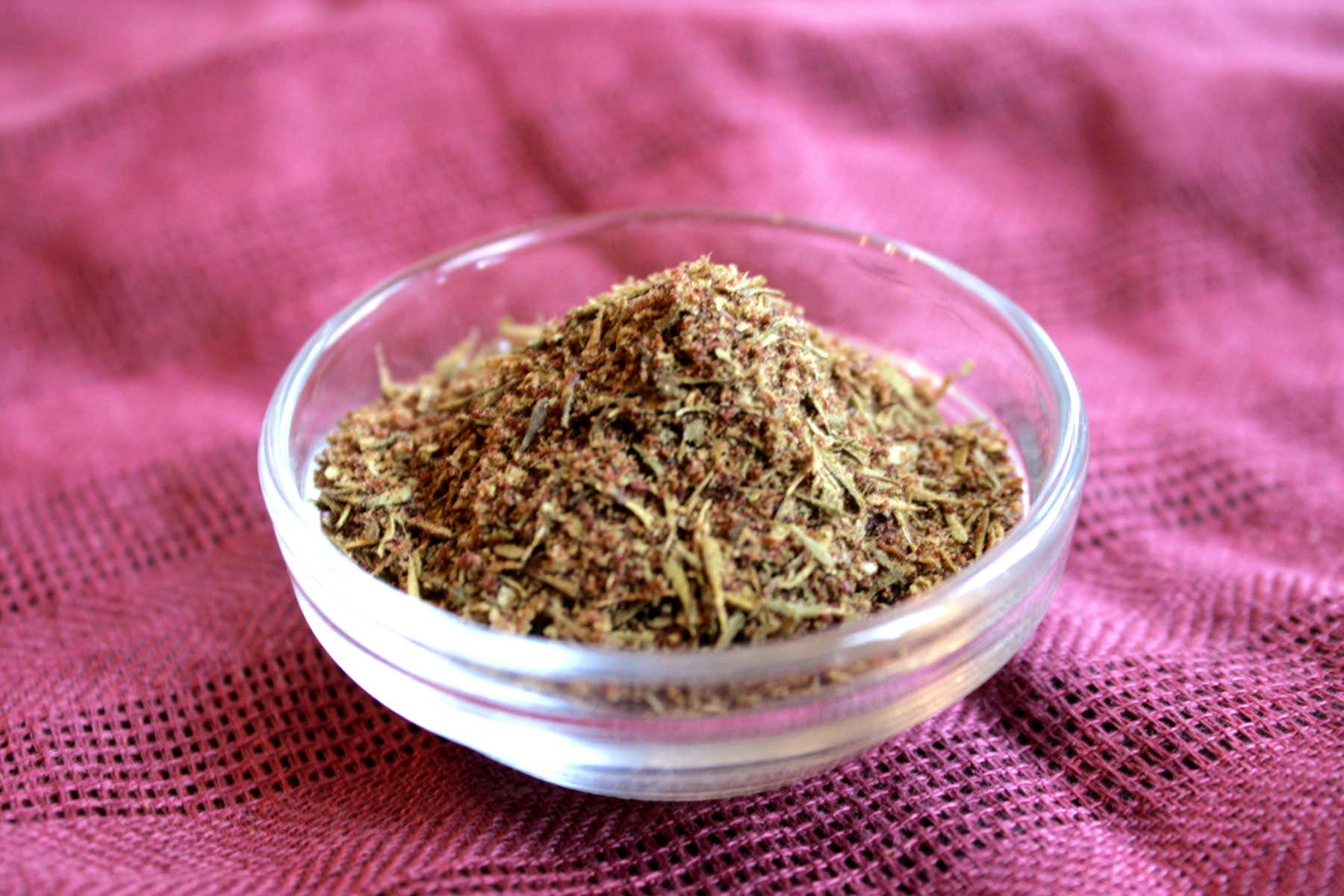
    Food has always resonated with me, in part because of its amazing cultural weight. Growing up in America with a Lebanese father and a Polish mother, I’ve long felt most connected to my heritage through food. Eating pizza and hamburgers makes me feel like a true American, while pierogies and kielbasa are standard inclusions for special occasions, and my dad almost always manages to sneak hummus, tabouleh, fattoush, or kibbe into our meals. And DC is a truly global city so I’ve been peering into other cultures through their food for my whole life. So I feel excited to post this recipe for zaatar, a simple Lebanese spice mix, and share a little bit of my culture with you. This is the most basic version of zaatar, but some variations include additional spices such as oregano, marjoram, and savory, so feel free to play around a bit. I’ll be posting two great recipes using this mix on Wednesday and Friday, but it’s incredibly versatile and easy to use. You can mix it with olive oil and/or yogurt for a simple dip, sprinkle it on vegetables before roasting, use it to flavor eggs, or add it to soups and stews.

    (more…)

    Related Posts:

  • Pumpkin Kibbe

    pumpkin kibbe

    We’re approaching the end of pumpkin season, so I’ve been posting my very best pumpkin recipes last week and this week. Luckily, pumpkins keep well for a couple months (and my pumpkin puree will keep good for 6 months or more when frozen) which means after you buy up those last pumpkins, you’ll have ample time to cook these delicious recipes!

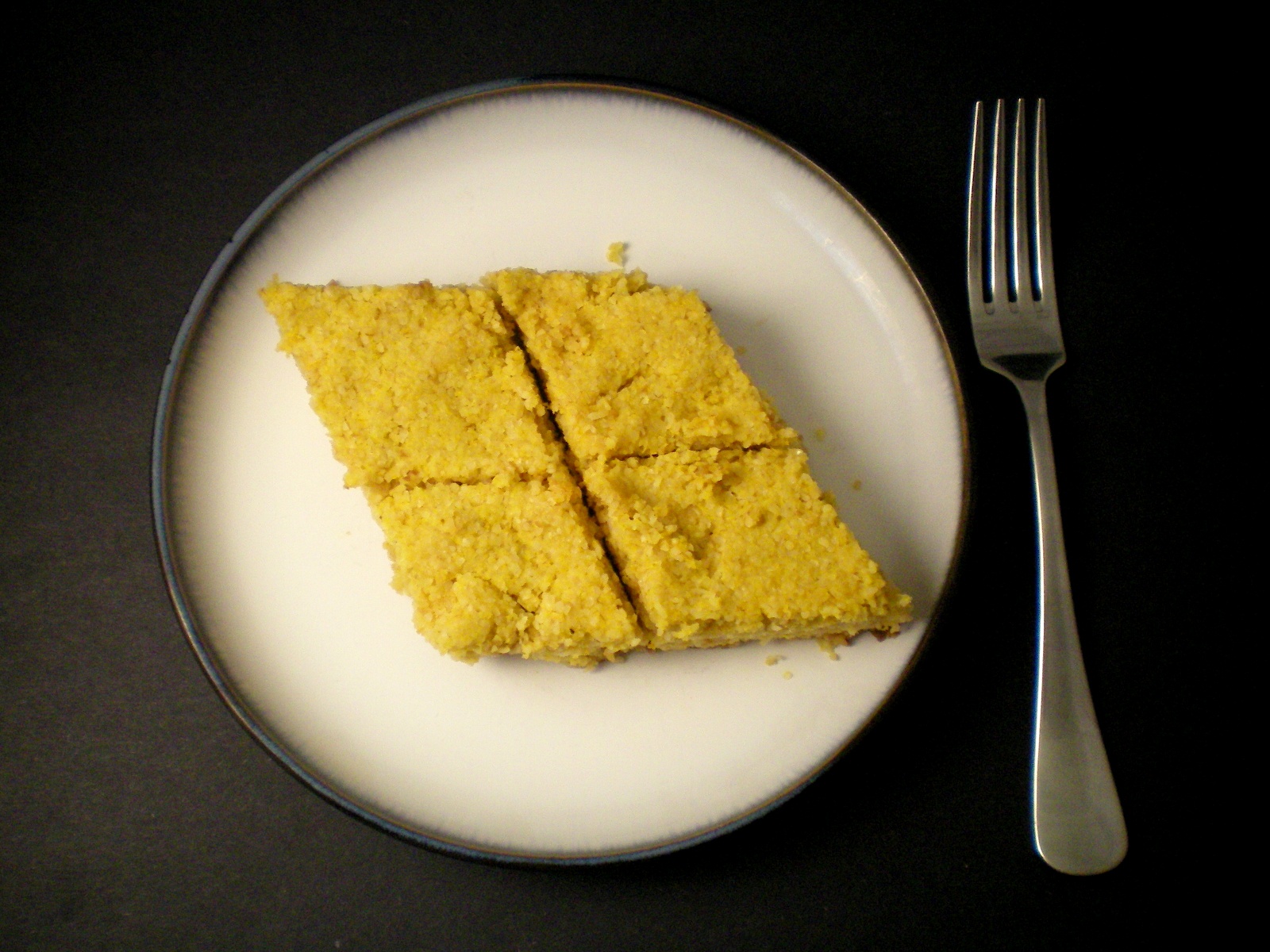
    This recipe marks my 50th post on this blog, and I’m very excited to be posting a family recipe, passed on to me from my dad. Kibbe is a traditional Lebanese dish, usually made with ground lamb and bulgur wheat. This vegetarian version substitutes pumpkin puree for the ground lamb. Although I’ve always been an adventurous eater, I used to turn my nose up at this dish when my parents made it, simply because I love lamb kibbe so much. I’ve since come around and now absolutely love pumpkin kibbe as well! The only change I’ve made from how my grandmother in Lebanon cooks this dish is to sautee the onions before laying them in the bottom of the pan (I can’t help myself; I just love caramelized onions).

    (more…)

    Related Posts: