Category: condiments

  • Blood Orange Curd

    blood orange curd

    I feel pretty lucky to have friends who are wholeheartedly enthusiastic about food. Nothing reminds me of this quite so much as when we get together for brunch; we pull out the leaves on the table just so we can have as much space as possible to load down with food. Bagels with cream cheese and lox, omelets, hash browns, biscuits, scones, bacon, curried vegetables, fresh fruit, crepes… and the list goes on. Sometimes it’s a chance to get creative, sometimes an excuse for a feast, and always a welcome time to relax and chat with friends.

    For our most recent brunch, I decided I wanted to make a blood orange curd to go with the crepes that my boyfriend was cooking. Of course, I managed to undercook my blood orange curd the first time around. As I shook my head with dismay and tried to hide the less than perfect results in the kitchen, my brunch companions excitedly spooned the “sauce” onto their crepes and reassured me that the flavor was still amazing. Nevertheless, I poured the concoction back into the saucepan after they’d left in a second attempt at thickening it up. Luckily, all I needed was a little more heat, and within minutes, I had my curd at the perfect consistency.

    Blood oranges are nearing the end of their season sadly, so now is the chance to embrace them while you still can. If you’ve had lemon curd, you can guess at how delicious blood orange curd is (and if not, a curd is a smooth sweet and tart spread, thickened by eggs, similar to a custard). The flavors here are a bit more subtle than lemon curd; there’s still that citrus tang, only now it’s accompanied by light floral notes and a gorgeous dusty rose color. Crepes are not the only option for this curd; it will do equally well slathered on scones and shortbread or used as the filling for a tart.
    (more…)

    Related Posts:

  • Berbere Candied Walnuts

    candied walnuts

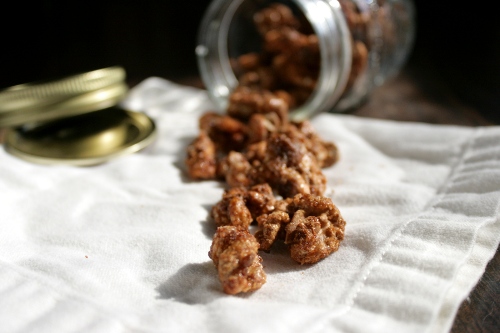
    Let me warn you; these candied walnuts are addictive. After they’ve cooled, you will eat one to taste test and then inevitably decide you need to taste test about ten or twenty more, just to be sure. You will set them out for guests and then find yourself hovering next to the bowl to snack on them yourself. You will want to find ways to include them in everything you eat, from yogurt to salads to cookies. And you will feel an undeniable urge to make another batch once the first has run out.

    Berbere adds a hint of spiciness to the caramelized coating on these nuts, but you can also use garam masala or a mixture of cinnamon and cayenne pepper if you don’t have the Ethiopian spice mix on hand. On that note, feel free to use almonds, peanuts, pecans, or hazelnuts instead of walnuts here. You have lots of options for customizing this basic recipe, and it’s really hard to go wrong. These candied nuts are perfect for giving away as a gift, bringing to parties for a snack. or, you know, hoarding at home.

    (more…)

    Related Posts:

  • Ethiopian Berbere

    ethiopian berbere

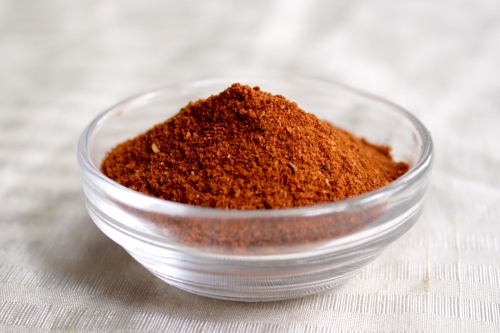
    Growing up in DC (home to the largest Ethiopian population outside of Ethiopia), I’ve gotten used to a city with a plethora of cheap and delicious Ethiopian restaurants. My favorite place is a mere half mile from me and offers up a vegetarian platter big enough for two or three people for ten dollars. So it’s understandably difficult for me to motivate myself to try cooking Ethiopian food. But I might not be in this city forever, and the flavorful filling stews and spongy sour bread has become somewhat of a comfort food for me so I recently decided to try my hand at making them. The very first step in cooking delicious Ethiopian food is the spicy and fragrant spice mix known as berbere. This deep red mixture is vaguely reminiscent of Indian garam masala with warm sweeter spices like cinnamon, cloves, allspice, and nutmeg playing a role on top of spicy chiles, cumin, fenugreek, cardamom, and coriander. Berbere adds a large amount of paprika to these spices for a unique and unmistakable flavor that serves as the base for many different Ethiopian stews.

    (more…)

    Related Posts:

  • Madras Curry Powder

    madras curry powder

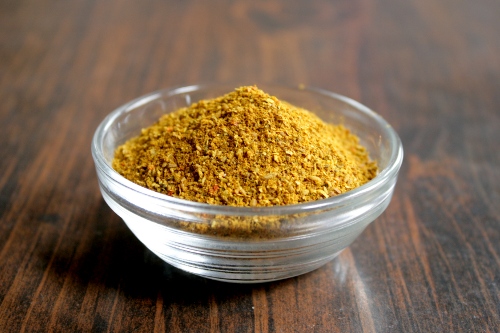
    The more I cook, the more I love customizing the dishes I make. And one of my favorite ways to customize my food is by making my own spice mixes. Madras curry powder is the perfect example for this. No two versions of this South Indian blend are alike; every brand, every family, every person adjusts the spices to their liking. Making your own curry powder gives you the opportunity to get exactly the combination of flavors you want (not to mention the amazing difference using freshly ground spices makes). My personal blend is heavy on coriander and cumin with warmth from curry leaves, cinnamon, and nutmeg. But everything here can be easily adjusted, so soon you can have your own perfect curry powder. And after you have your own blend, come back to see the two simple recipes I’ll be posting on Wednesday and Friday that really showcase the curry powder’s flavor.

    (more…)

    Related Posts:

  • Cajun Spice Mix

    cajun spice mix

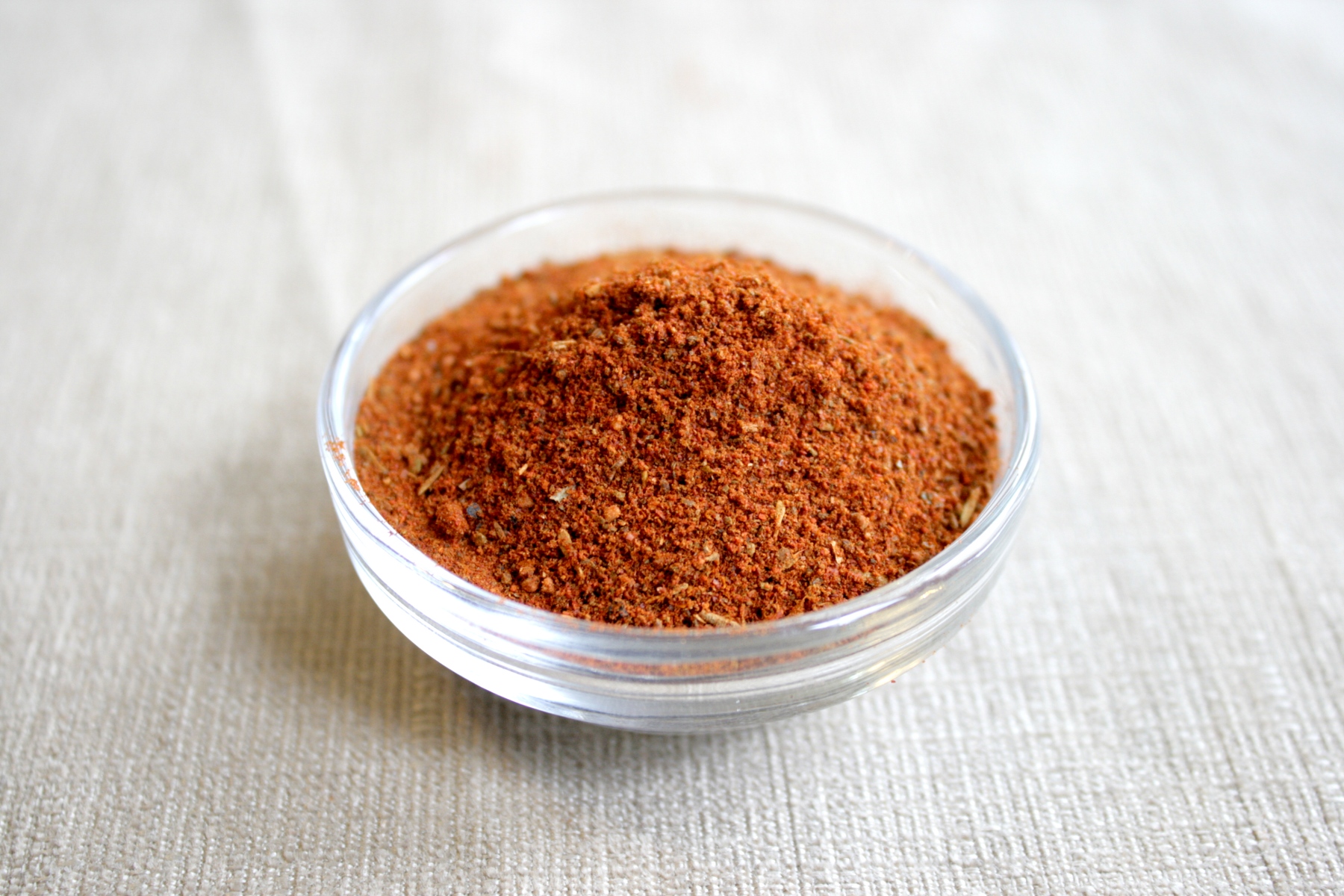
    I’ve mentioned my love of smoked paprika before, so when I realized that this cajun spice mix was mostly smoked paprika, I knew I had to make it. Besides the paprika, there are a lot of different flavors going on here, including basil, oregano, and a good dose of cayenne pepper, and together they’re the perfect combination for any gumbos, jambalayas, or other cajun dishes you might wish to make. I’ll be posting two recipes of my own using this mix on Wednesday and Friday.

    (more…)

    Related Posts:

  • Homemade Zaatar

    homemade zaatar

    Food has always resonated with me, in part because of its amazing cultural weight. Growing up in America with a Lebanese father and a Polish mother, I’ve long felt most connected to my heritage through food. Eating pizza and hamburgers makes me feel like a true American, while pierogies and kielbasa are standard inclusions for special occasions, and my dad almost always manages to sneak hummus, tabouleh, fattoush, or kibbe into our meals. And DC is a truly global city so I’ve been peering into other cultures through their food for my whole life. So I feel excited to post this recipe for zaatar, a simple Lebanese spice mix, and share a little bit of my culture with you. This is the most basic version of zaatar, but some variations include additional spices such as oregano, marjoram, and savory, so feel free to play around a bit. I’ll be posting two great recipes using this mix on Wednesday and Friday, but it’s incredibly versatile and easy to use. You can mix it with olive oil and/or yogurt for a simple dip, sprinkle it on vegetables before roasting, use it to flavor eggs, or add it to soups and stews.

    (more…)

    Related Posts:

  • Herbs de Provence

    herbs de provence

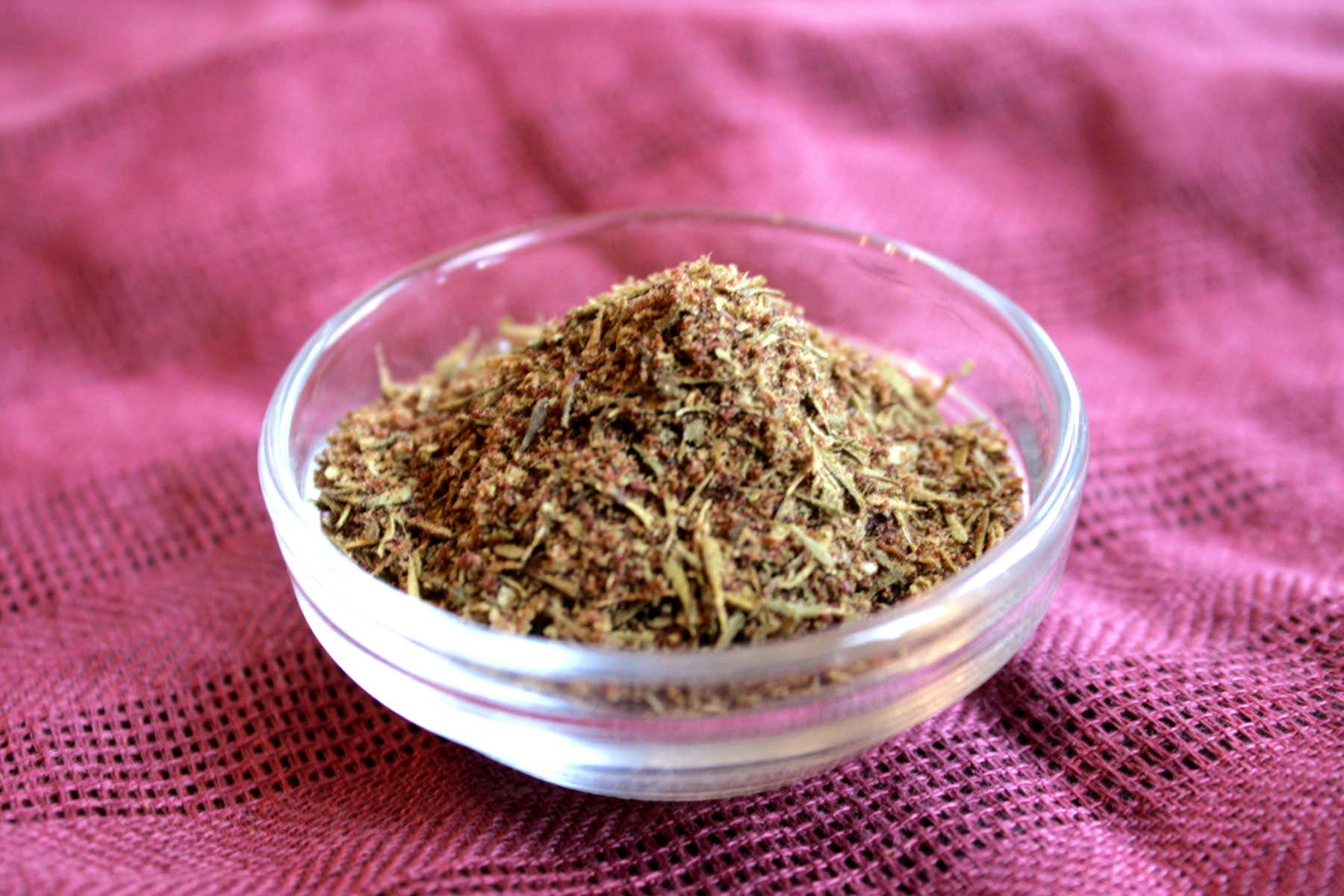
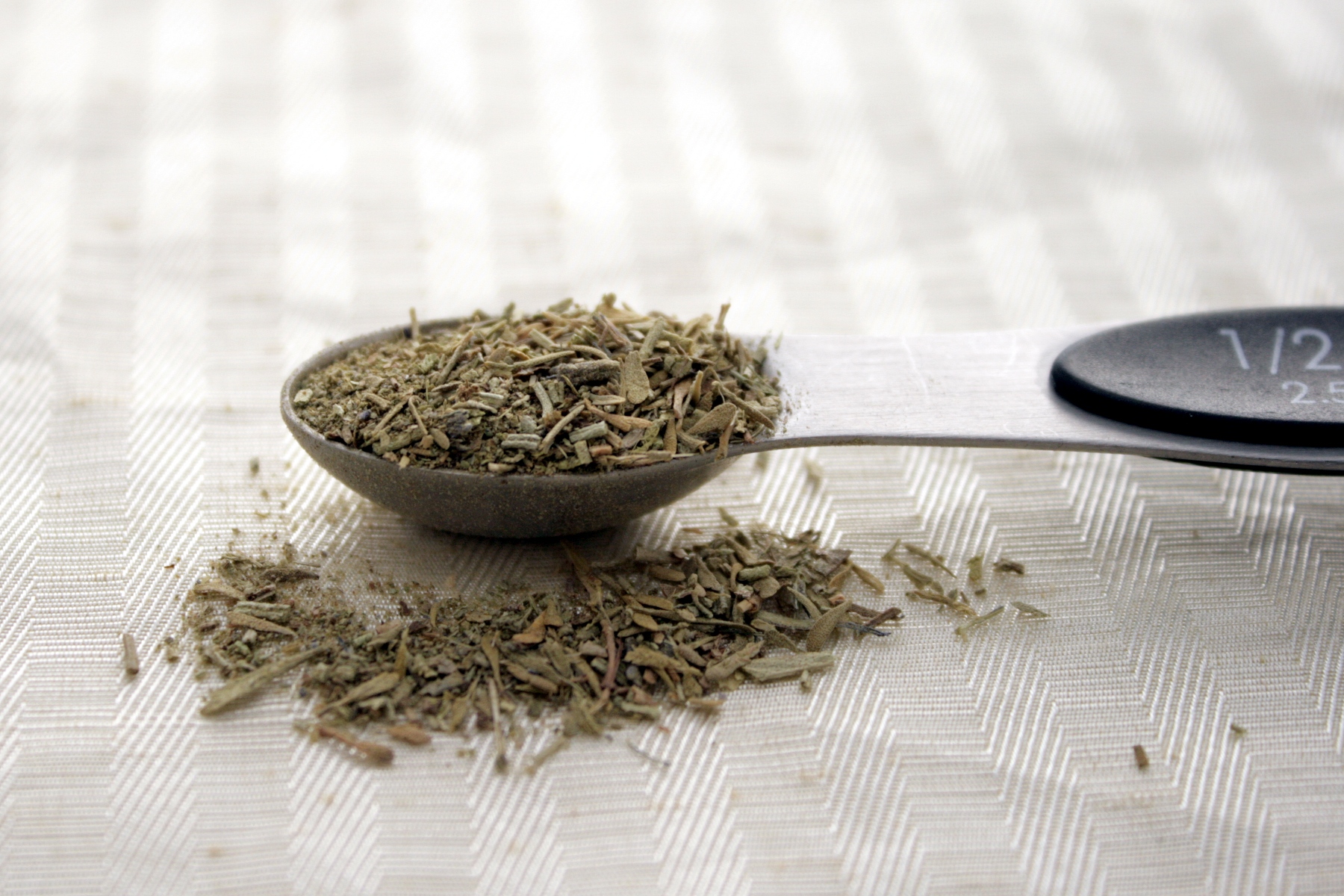
    Herbs de provence is one of my favorite spice mixes to have on hand. This traditional French mixture is an easy way to flavor vegetable stews, eggs, and meats. The various brands of herbs de provence don’t always use the same herbs in the same amounts; you’ll often see fennel and basil, neither of which I’ve included here, instead of, or in addition to, the herbs I’ve chosen to use (thyme, rosemary, savory, marjoram, and lavender), so consider this recipe more of a template. Once you’ve put together your perfect mix, you’ll find yourself reaching for it time and time again.

    (more…)

    Related Posts:

  • Chinese Five-Spice

    chinese five-spice

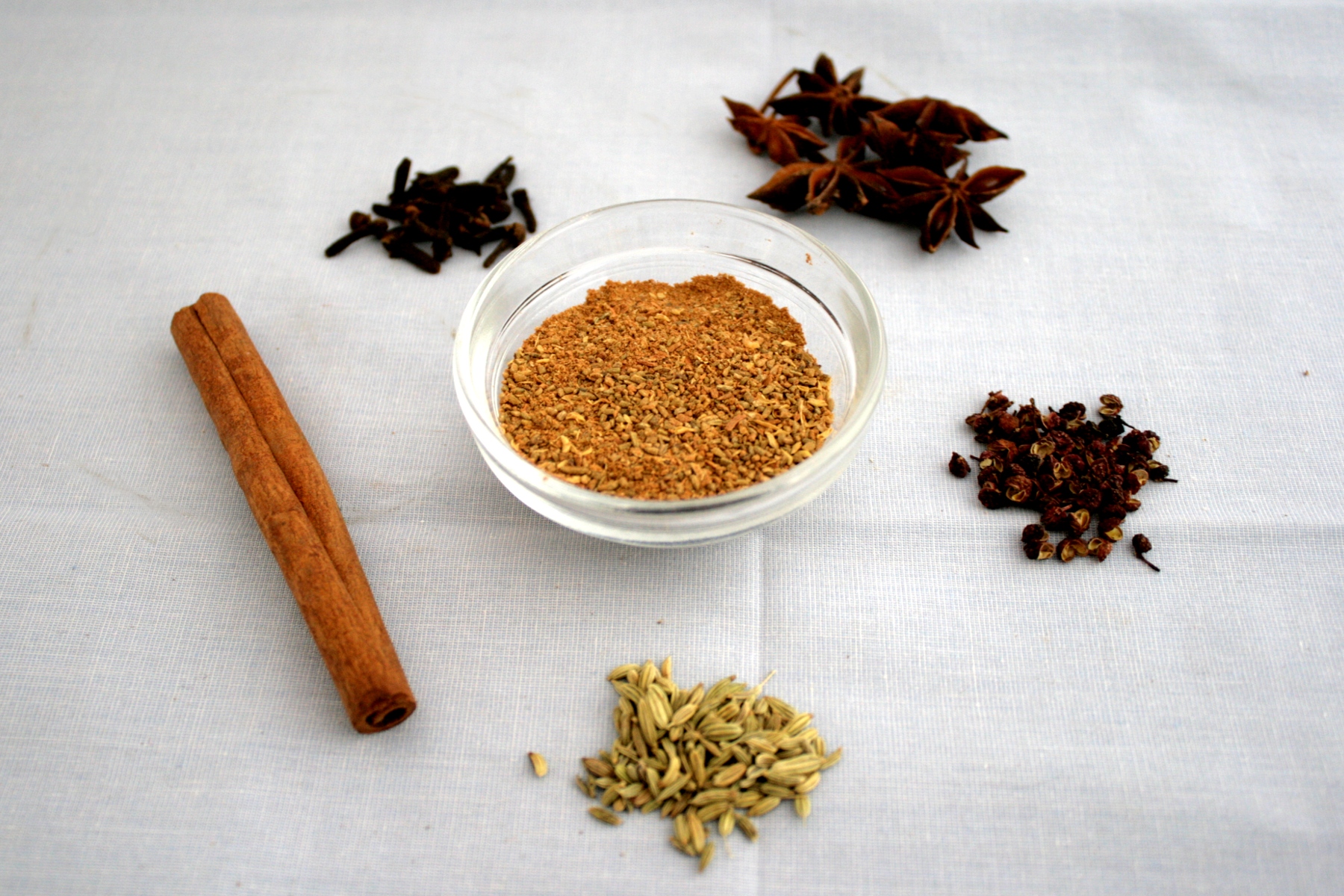
    Chinese five-spice is a strange beast; many of the flavors here are usually associated with sweet applications, but the resulting spice mix is traditionally used in savory dishes to amazing result. The five spices referenced in the name are usually star anise, fennel, cinnamon, Sichuan peppercorns, and cloves, but some variants include ginger root, anise seed, cumin, and white pepper. I stick with the traditional here, but the amounts used are flexible and can be adjusted to your tastes. This is a great mix to have on hand for adding to stir fried vegetables, upping the flavor in soups, or including in dry rubs for chicken, pork, or duck. And, although desserts aren’t the typical use, I’ve even come across recipes for five-spice cookies and cakes, and I think the spicy licorice-like flavor would be well-suited to sweets. On Wednesday and Friday, I’ll be posting two of my favorite recipes using this unique spice mix.

    (more…)

    Related Posts:

  • Pomegranate Bourbon Barbecue Sauce

    pomegranate bourbon barbecue sauce

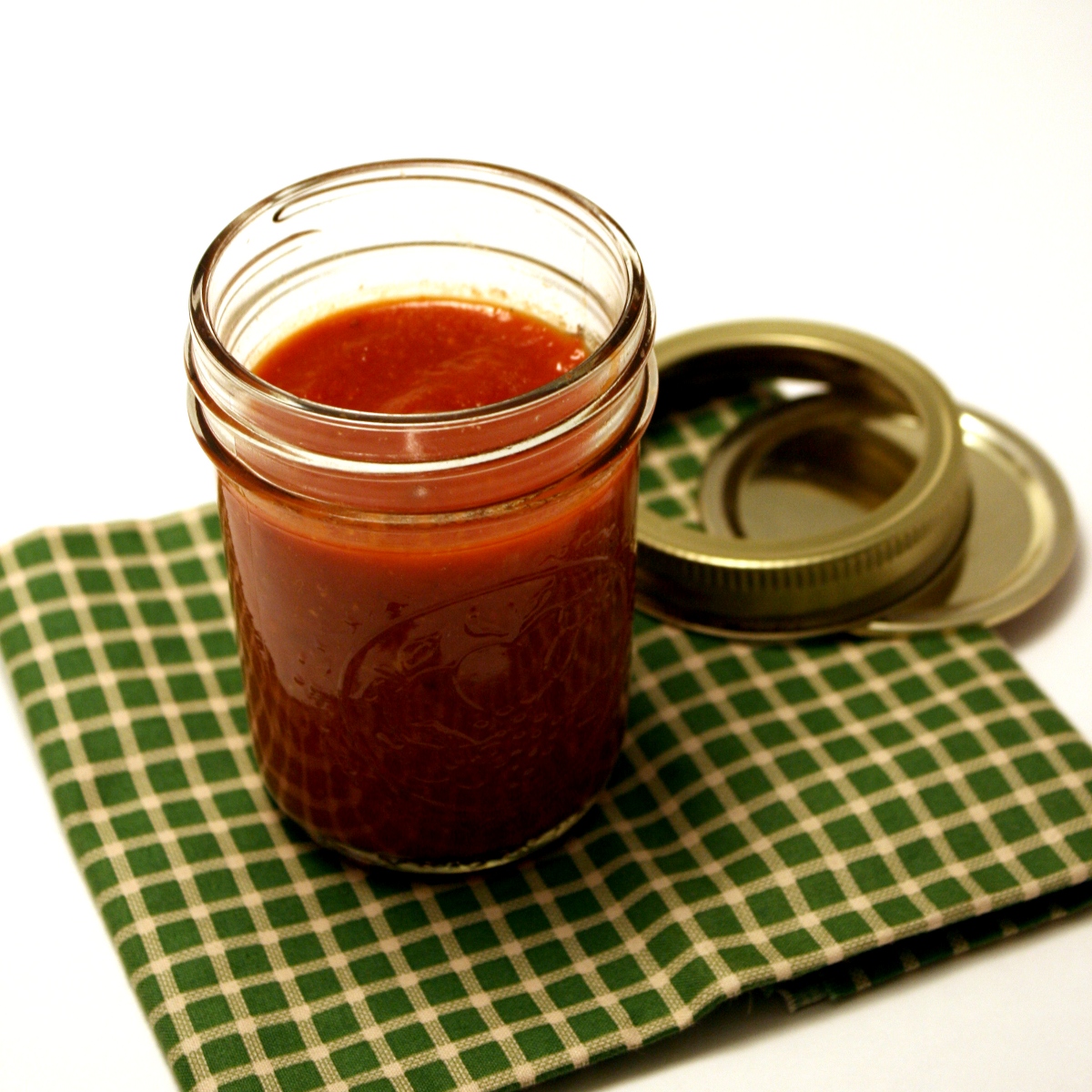
    This barbecue sauce is not traditional or regional (no North Carolina, Kansas City, Memphis, or Texas sauce here); it’s my personal interpretation on what a really tasty barbecue sauce should be. Smoky, spicy, a little vinegary, and a little fruity. Bourbon adds extra smokiness and bite, while playing alongside the tart and sweet flavors of pomegranate molasses. This barbecue sauce is simple to make, and I love having it around to mix into beans, top scrambled eggs, and coat chicken or pork (especially the amazing (and easy) slow cooker pulled pork I’ll be posting the recipe for on Wednesday). This recipe can also be easily adjusted to your taste; feel free to play around with ingredient quantities to arrive on your personal favorite barbecue sauce.

    (more…)

    Related Posts:

  • Chili Powder

    chili powder

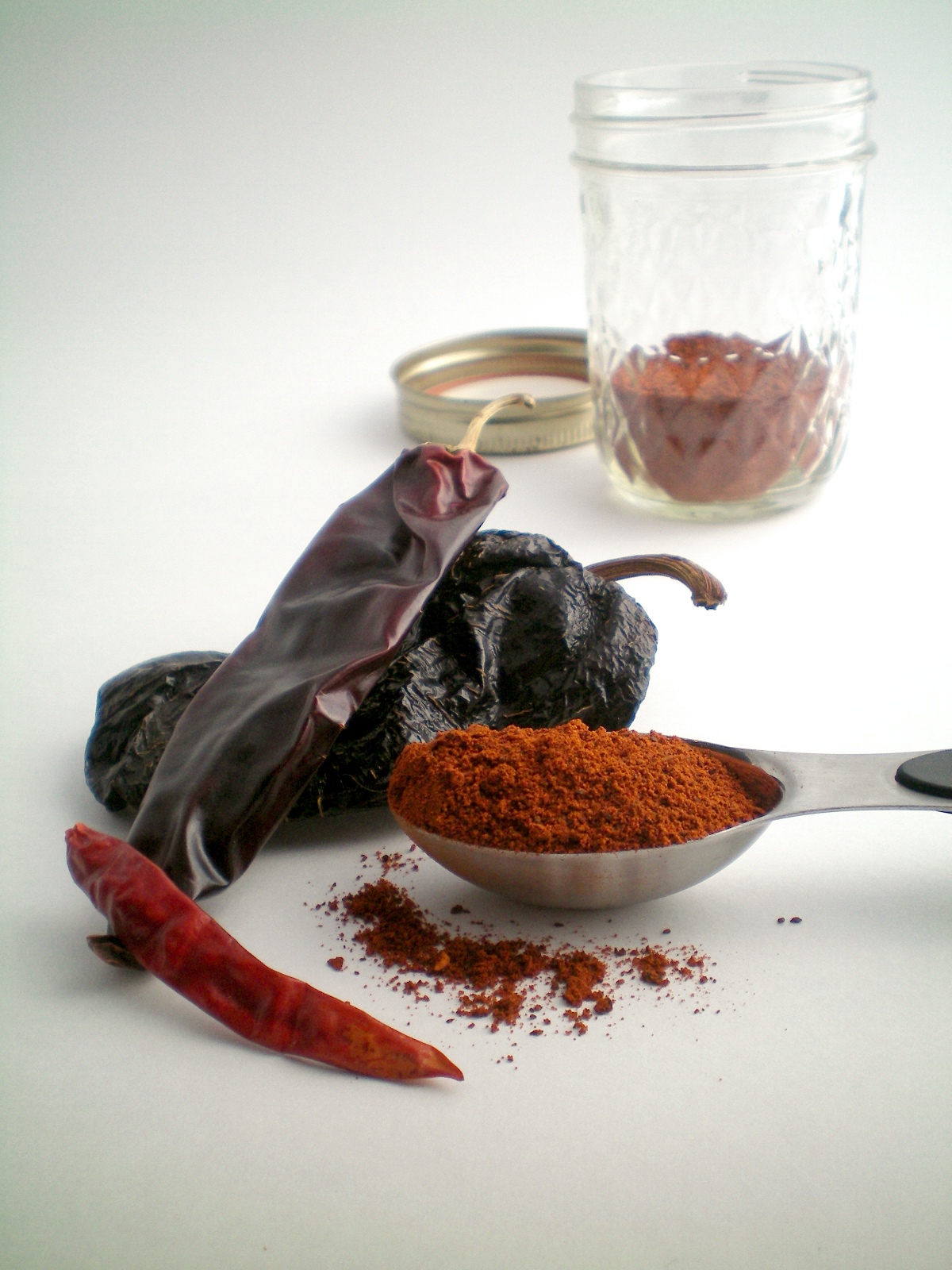
    I’ve found that making fresh spice mixes is surprisingly easy and yields incredible flavor – much more than with store-bought mixes. This recipe for chili powder can be adapted to your tastes; it currently uses equal amounts of three dried chiles: guajillo, ancho, and arbol. Like your chili powder a little smokier? Add more ancho chiles, toss in some dried chipotles, and/or add extra smoked paprika. Like your chili powder on the milder side? Use more ancho and guajillo chiles and less arbol chiles, and discard the seeds before toasting. Or, conversely, like your chili powder extra spicy? Up the number of arbol chiles.

    I would highly recommend making a double batch of this recipe; a single batch makes enough for about four regular batches of chili (about 4 servings each) or two extra-large batches of chili (about 8 servings each) – I love making extra-large batches and having lots of delicious hearty leftovers. If you make a single batch of this recipe, you’ll have just enough chili powder for the two amazing extra-large batch chili recipes I’ll be posting on Wednesday and Friday: a delicious vegetarian chili packed with lots of different beans and grains on Wednesday, then a mouth-watering pot of chile con carne with all the special touches on Friday.

    (more…)

    Related Posts: