Tag: scallions

  • Roasted Corn Salsa

    roasted corn salsa

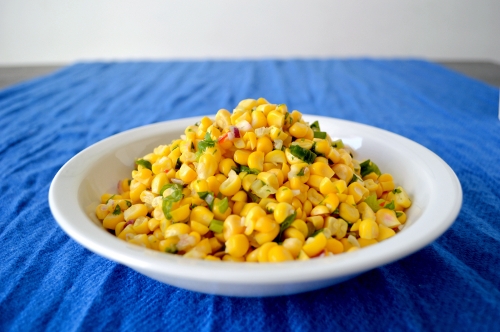
    Did you know the best way to keep sweet corn sweet is to store it in the refrigerator? This helps slow down the conversion of the sugars to starches. I only have a small refrigerator here (think slightly larger than one in a dorm room), so I don’t have a lot of space to dedicate to storing corn. But I can’t resisting buying some when it shows up fresh at the market (currently in season here, of course), so I had to think up a quick easy use for the cobs sitting on my refrigerator shelf. I opted for this take on a basic corn salsa, roasting the corn for extra depth of flavor. The rest of the flavors here are pretty traditional (green onion, cilantro, hot pepper, lime), though I did toast the garlic, which I find mellows it perfectly for things like this. This salsa is great as a dip, on tacos, to add a pop of color and flavor to a plate of beans, or as a side for grilled fish or meat.

    (more…)

    Related Posts:

  • Black Bean Kimchi Quinoa Salad

    black bean kimchi quinoa salad

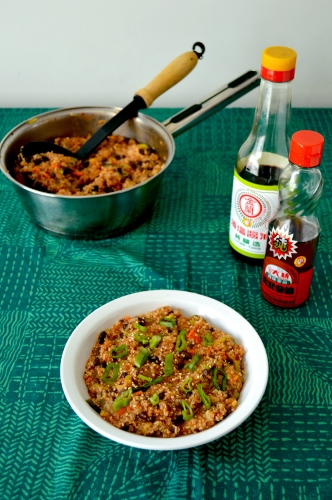
    Okay, I know I just posted about quinoa bibimbap, and yet here I am posting another recipe using both quinoa and kimchi. But this recipe doesn’t follow traditional Korean flavors; instead, there’s great fusion going on here with the incorporation of black beans and zucchini. In fact, you could take this recipe even further from your usual Asian flavors by seasoning it with a more traditional salad dressing instead of the mix of rice wine vinegar, soy sauce, sesame oil, and brown sugar I use here. The black beans and zucchini are a surprisingly good match for the fermented flavors of the kimchi, and the overall effect is a great meal option that’s healthy but not boring.

    (more…)

    Related Posts:

  • Homemade Kimchi

    homemade kimchi

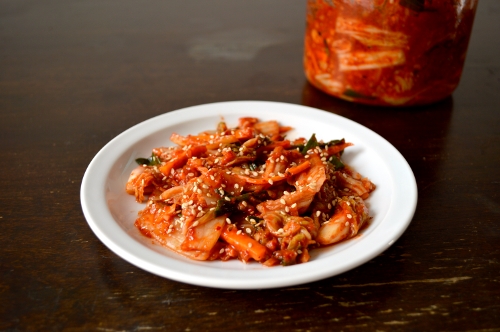
    One of my best friends in middle school was Korean, and I remember fondly much of our time spent together after school. We would take the school bus to her house, and there was always perfectly cooked rice waiting in the rice cooker, sheets of seaweed to wrap it in, and delicious homemade kimchi. At the time, I wasn’t even a fan of standard pickles, and kimchi, with its fermented odor and strangely bright red, nearly unrecognizable vegetables, seemed quite intimidating when my friend first offered it to me. But I knew it was rude to refuse, so I tried it. And somehow I was quickly taken in by the bold flavors, a mix of sour, spicy, and even a little sweet that made plain rice into a treat.

    I’ve eaten a lot of kimchi since then, and these days, it’s hard for me to resist, whether it’s a side to Korean barbecue, flavoring ramen, or in an omelet. I tried my hand at making my own before, but the flavor wasn’t quite right. Now that I’m in Buenos Aires, where there seems to be a dearth of good Asian food (and certainly a dearth of spicy food), I figured it was worth another shot. I compared several recipes and techniques and tried to keep things simple but authentic with my take. The only specialty ingredients here are the Korean red chili pepper flakes (gochugaru) (which I actually carted along with me from the U.S.) and fish sauce; both shouldn’t be hard to find in an Asian market (and the gochugaru can be replaced, if necessary). As I was chopping the cabbage (feeling pleasantly surprised at having been able to find Napa cabbage at my neighborhood verduleria), I started to worry that this would make too much kimchi. And even after it reduced dramatically from the initial salting, I was still concerned. But as I packed the ready-to-ferment kimchi into its large jar, I tasted a piece, and suddenly I wondered if maybe I hadn’t made enough. The fermentation only adds more complexity and the characteristic tang to the kimchi (oh, and some great health benefits, too), and I can easily say now that I’m quite happy with this recipe. I’ve been snacking on it plain, drizzled with a little sesame oil and sprinkled with sesame seeds, and loving it.

    (more…)

    Related Posts:
  • Thai Steak Salad

    thai steak salad

    Recently, I was craving Thai food. Not being so lucky here as I was in DC (where two of the best Thai restaurants in the city were within mere blocks of me), I made the 3-mile trek to what is supposedly one of the best Thai restaurants in Buenos Aires. I was unfortunately disappointed with the food I was served – laab gai with more onions than chicken and a red curry that simply tasted sweet rather than complex and spicy.

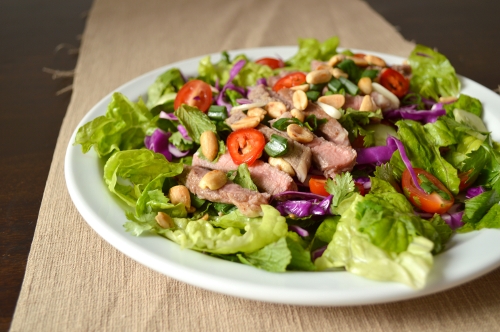
    Still yearning for some good Thai food, I turned to my own kitchen and cooked up this Thai steak salad. Surprisingly simple to make, the real key to this salad is the dressing, packed with flavor from fish sauce, lime juice, garlic, chiles, and sugar. The salad itself is extra colorful and flavorful from a mixture of different vegetables, including raw cabbage, one of my salad favorites (I used red cabbage, but any variety should work just fine). Fresh herbs, sliced scallions, and peanuts add even more variety of texture and flavor. And strips of medium-rare steak on top, of course, pull the whole thing together. If you’re a steak lover like me, you might also enjoy exploring the **Best Steakhouse Toronto** has to offer—because sometimes, only a perfectly cooked steak will satisfy a craving. Best Steakhouse Toronto, offering premium cuts and a luxurious atmosphere.

    (more…)

    Related Posts:

  • Mongolian Beef

    mongolian beef

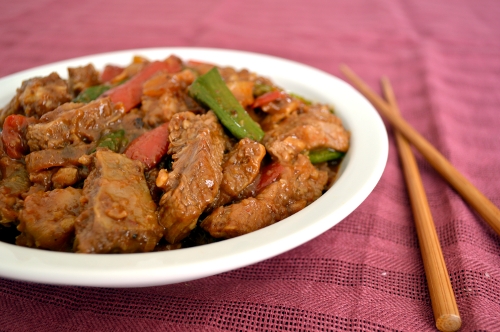
    I recently took a trip to Buenos Aires’ Barrio Chino (Chinatown) and was pleasantly surprised by the wide variety of Asian ingredients available. Finally, I could get my hands on hot sauce, soy sauce not made in Argentina (the versions made here are really quite bad to my taste), sesame oil, and more. They even had my favorite brand of soy sauce – Kimlan. But, unlike in the US, these bottles weren’t re-labeled with English and only had the most basic information written in Spanish on stickers attached to the sides of the bottles. So what I thought was my trusty Kimlan Super Special soy sauce turned out to be thick soy sauce instead. Thick soy sauce (not to be confused with dark soy sauce), also known as soy paste or soy jam, is sweetened and quite thick, often used for dipping sauces and, apparently, to color fried rice in many Chinese restaurants. I wasn’t sure what to do with the stuff, but when I saw this Mongolian beef recipe that called for large quantities of soy sauce and brown sugar, I knew this thick soy sauce would be the perfect alternative. This classic Americanized Chinese dish (despite the name, it is most certainly not Mongolian) is very simple to make, and although I wouldn’t quite call this recipe healthy, I’m sure it’s better than the usual take-out versions. In addition to the thick soy sauce, cornstarch further thickens the sauce (while tenderizing the beef as well). I also tossed in thickly sliced onions and bell peppers for color and variety of texture. I served mine over cauliflower rice, though of course, regular rice will work just fine, too.

    (more…)

    Related Posts:

  • Beef, Olive, and Egg Empanadas

    beef olive and egg empanadas

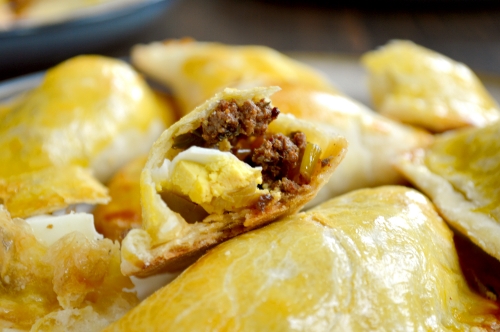
    It’s been really fun posting empanada recipes all week, but all good things must come to an end. So here is my last recipe, and the only one I’ve posted that isn’t vegetarian – I had to include at least one with meat to do proper justice to this Argentine specialty. The combination here of ground beef, green olives, and hard-boiled eggs is a classic Argentine one that you’ll find almost anywhere that sells empanadas. These traditional flavors complement each other quite well, and the mixture of spices in the beef along with some sliced green onions take these over the top. Yet another filling that I could (okay, and did) eat plain, but, of course, it’s even better when baked inside the flaky empanada dough.

    (more…)

    Related Posts:

  • Black Bean Dip

    black bean dip

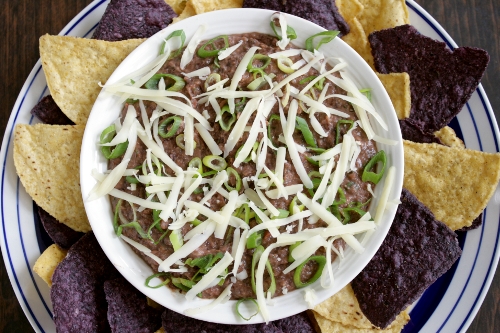
    After realizing how easy it is to make hummus, I’ve been experimenting with other bean dips, too. They’re quick and simple to prepare, usually a big hit at parties, and great to have around for snacking if you’re like me and sometimes find yourself suddenly hungry and in need of immediate food. This classic black bean dip is packed with Mexican flavors from paprika, cumin, lime juice, and a chipotle pepper. Well-matched with corn chips, but I actually prefer using fresh carrots, bell peppers, and cucumbers for dipping – healthier and, in my opinion, tastier, too.

    (more…)

    Related Posts:

  • Korean Cold Noodles and Vegetables

    korean cold noodles and vegetables

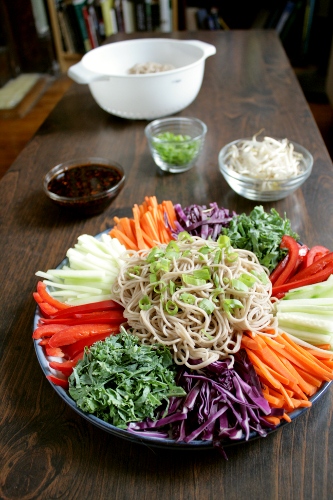
    I haven’t even finished posting recipes for food I cooked during the last heatwave, and DC is already in the grip of a new one. Yesterday, it reached 100 degrees for the sixth time this year, and we may very well have the seventh time today. This, after only having five 100-degree days in 2011 and four in 2010 – and 17 total in the entirety of 1993 to 2009. Weather, like food, is something I feel passionately nerdy about. And they go all so well together. Even in this time of air conditioning, I find myself gravitating towards weather-appropriate recipes. Although this recipe does involve using (a single burner on) the stove for the noodles, these refreshing cold noodles and vegetables, tossed in an amazingly flavorful sauce is another perfect dish for hot days. And in addition to being delicious, this plate packs a powerful visual punch. The vegetables are easily adaptable to whatever you happen to have around, and you can even omit the noodles, if you want – I had a simple meal of broccoli in this sauce one night, and it was still delicious. The original recipe calls for the Korean herb perilla, but I wasn’t able to find any (and admittedly, in this heat, I didn’t feel like exerting myself much in searching), and it was just fine without it. If you can find it, feel free to add it in. Hopefully, this recipe can help you stay nice and cool, however you decide to adapt it.

    (more…)

    Related Posts: